Free Program Damp Patch Exterior Wall
Hi, I made it!If its a solid wall?Then you have two possibilities.One, the rain has made its way through the wall and made it cold and damp, leading to interior condensation, usual thing cold internal wall attracts water vapour in room, water vapour condenses into wall and makes its way outwards towards the cold arriving at surface.Two. Air bricks are making the surrounding wall very cold and internal water vapour is settling as above.As far as you are concerned, nothing to worry about.But, keep an eye on it, see if it disappears when the spring comes.If you know the people have a word, they may not have noticed, or may have no idea what to do.Probable best solution if penetrating damp, three coats of silicone paint to shed the rain.If vents are not to provide air to a boiler, fire, hob or something then block them up, have a warmer room at less cost.Perry.
Illinois was the wettest state in the nation in June with 8.97 inches of water falling – breaking the record set back in 1895. Chicago’s Midway airport recorded more than 10 inches of rain. July is also shaping up to be wetter than normal.With so much rain, issues with damp walls that may have quickly disappeared in the past, can persist. While no one is happy to have to contend with a water issue, taking care of the dampness before it becomes a bigger problem is always the best strategy.Water that seeps through walls at any point is called penetrating damp vs.
How To Patch Exterior Wall
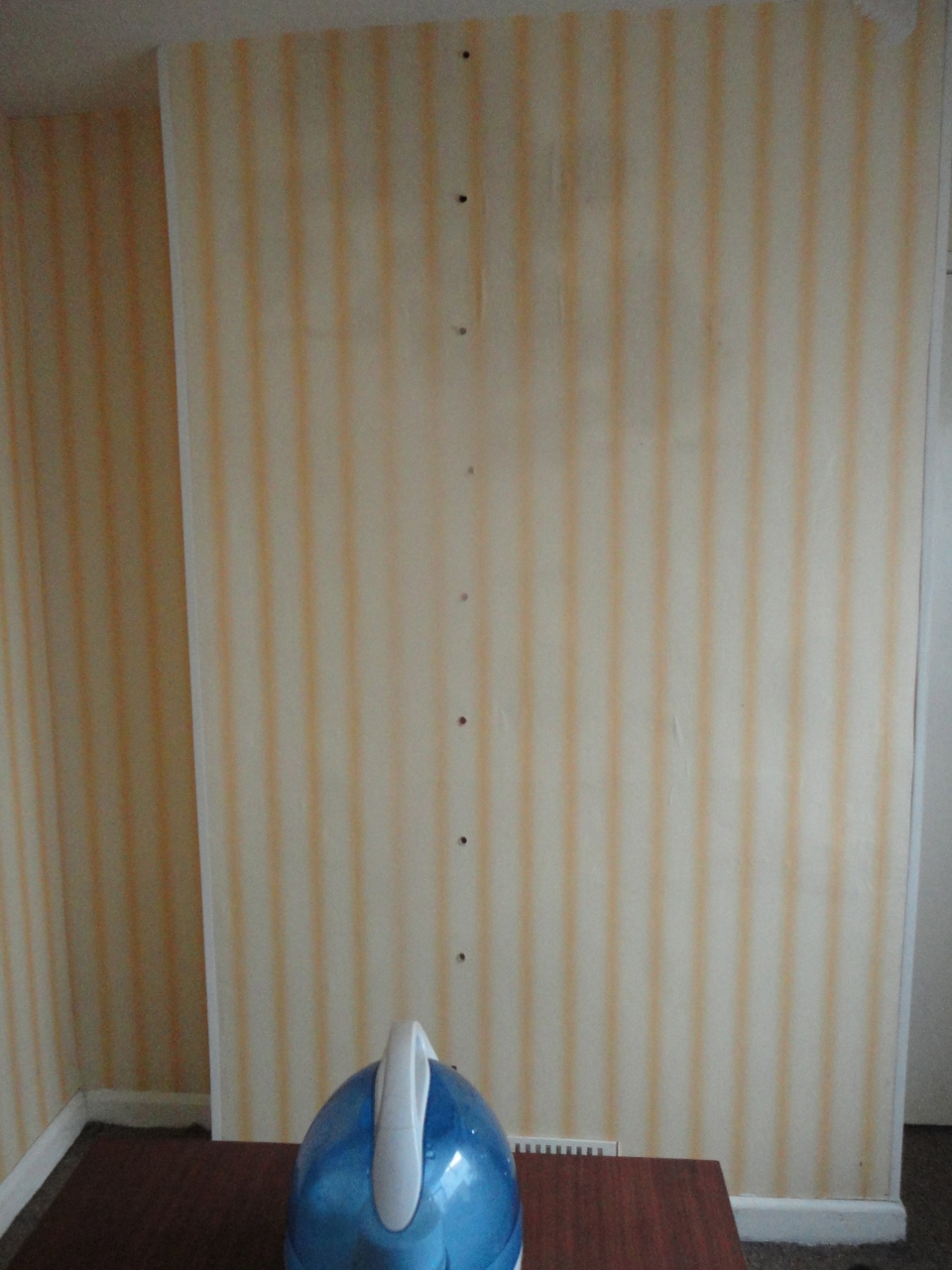
Dampness in the lower part of ground floor walls which is called rising damp. Tuckpointing, brick repair and caulking can often help prevent penetrating damp. A penetrating damp patch may appear when strong winds derive rain against the house and disappear after the rain. If a whole wall is damp, it may be that the brick has become porous with age. Telltale signs of penetrating damp includes blotchy patches on the wall, wet and crumbly plaster, mildew on the walls or even water on the surface.
Check out the common symptoms and cures. SymptomCureDampness near ceiling adjacent chimneyCheck the flashing which seals the joint between the roof and chimney, it may be loose or cracked.Dampness near the top of an interior wallThe culprit may be a gutter that is clogged or broken.Whole interior wall is dampBrick may become porous with age, cracks in mortar may allow water to penetrate.

Paint For Damp Walls
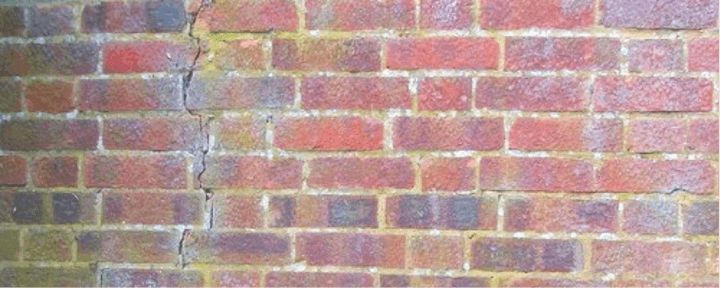
Tuckpointing and sealing are potential solutions.Isolated damp patch on an interior wallCheck for cracked mortar or damaged brick which can allow water to penetrate through the wall. Replace damaged bricks and mortar.Damp patches around windowsMortar may be broken. Repoint and reseal.If you live in Chicago, Orland Park, Downers Grove, LaGrange or other Chicago suburbs take advantage of our free estimates. For smaller jobs you can also snap a picture and upload it right to our site via our. A cure for damp brick walls may be closer than you think.Learn more about.